
Mission Critical Construction: Building Facilities that Operate 24/7
If you have visited a hospital or emergency room, served in the military, or even simply used a smartphone, you have interacted with a mission critical facility. “Mission critical” is a widely unknown term, despite the essential role they play in our overall infrastructure.
Findorff is a builder of mission critical facilities, and we know firsthand some of the intricacies and specialized tactics that go into constructing them. By gaining a greater understanding of mission critical work, we as a society can continue developing facilities that enhance our infrastructure and day-to-day life.
In This Article
- What Is Mission Critical Construction?
- Data Center Construction
- Solar Fields & Power Plants
- Nuclear Fusion Construction
- Hospital & Healthcare Construction
- Military & Government Construction
What Is Mission Critical Construction?
Mission critical construction is the process of building facilities that operate all the time, with no interruption. Unlike an office building where people go home at the end of the day and the lights turn off, mission critical facilities run 24/7.
Some of the most common examples of mission critical facilities include:
- Technology infrastructure: Data centers, grid systems
- Energy plants: Natural gas plants, nuclear power plants, and solar fields
- Healthcare facilities: Hospitals and emergency rooms
- Government buildings: Military bases and prisons
If something disrupts the function or operations of these facilities, there can be significant consequences. Across mission critical facilities, this type of construction involves structural components that are unique and often complex.
Data Center Construction
Data centers have been around for many years, but the introduction of large-scale data centers has been more recent. As our reliance on cloud-based technology has steadily increased, so does the need for data centers, which are essential for storing and hosting that data.
Data center construction is unique in that it requires a lot of power, as well as cooling systems so that servers don’t overheat. These cooling systems rely on water — which has, at times, raised concerns about the strain placed on natural resources. However, technological advancements strive to minimize the environmental impact, such as through closed-loop systems.
Building a data center with a closed-loop system requires water at the beginning, but then reuses the majority of that water. Data center construction companies need to be well-versed in building not only technical spaces that support IT infrastructure, but also the cooling systems that prevent overheating.
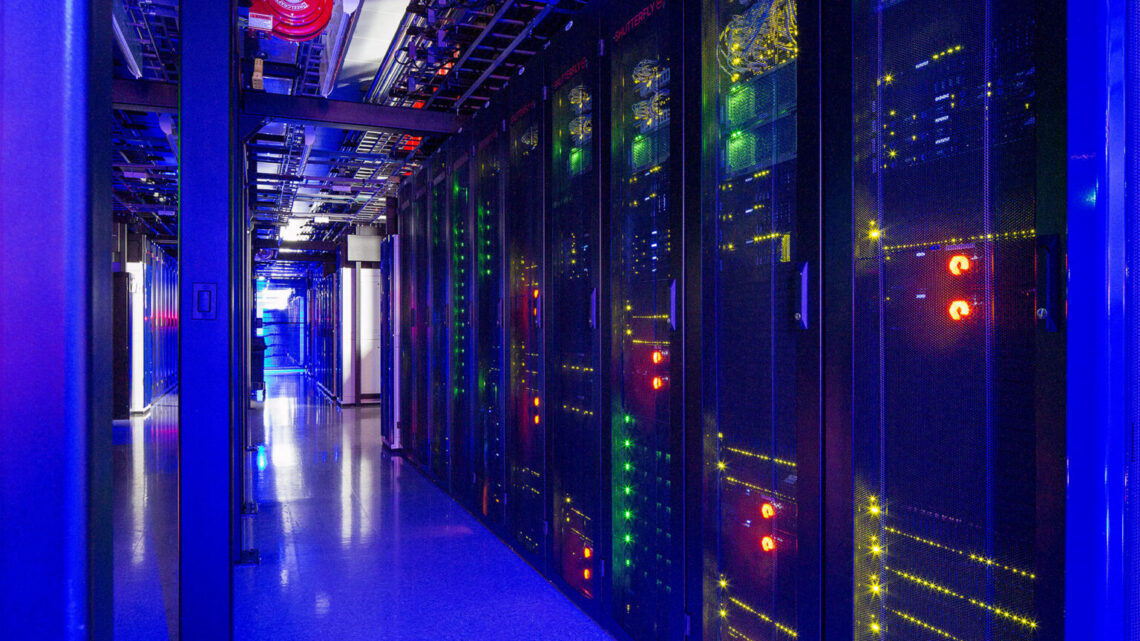
Findorff updated electrical power and cooling services for American Family Insurance’s national headquarters’ data center.
Solar Fields & Power Plants
Solar is a powerful source of renewable energy but, due to weather conditions and nighttime, sunlight is not consistent. Building a solar field or solar power plant involves more than installing panels — battery energy storage systems must be part of the blueprint to store excess electricity, as well as help distribute it.
Findorff supported Westphal with the installation of supports and solar panels for a solar array in Antigo, WI.
Read the Findorff Sustainability Report
Fusion Construction
Fission power plants harness the energy of nuclear fission, which is the splitting of a particle to release energy. Nuclear fusion is the exact opposite: two hydrogen particles collide and create more energy as a result. The impact is promising — fusion can generate three to five times more energy than fission and is also more stable. But the types of facilities that can accommodate the fusion process are still in the works.
Constructing fusion plants is incredibly complex, as these mission critical facilities require massive amounts of heat and pressure — fusion on earth takes place at more than 100 million degrees Celsius, which is six times hotter than the core of the sun. Extremely potent magnets are part of the infrastructure to generate the necessary amount of pressure.
While fusion power plants are not available yet, they are on the horizon. The world’s first plant is under construction in Washington, aiming to begin producing energy in 2028. Wisconsin is primed to also become a leading state in fusion, with research driven by the University of Wisconsin-Madison and investment coming from supporters, corporations, and the government.
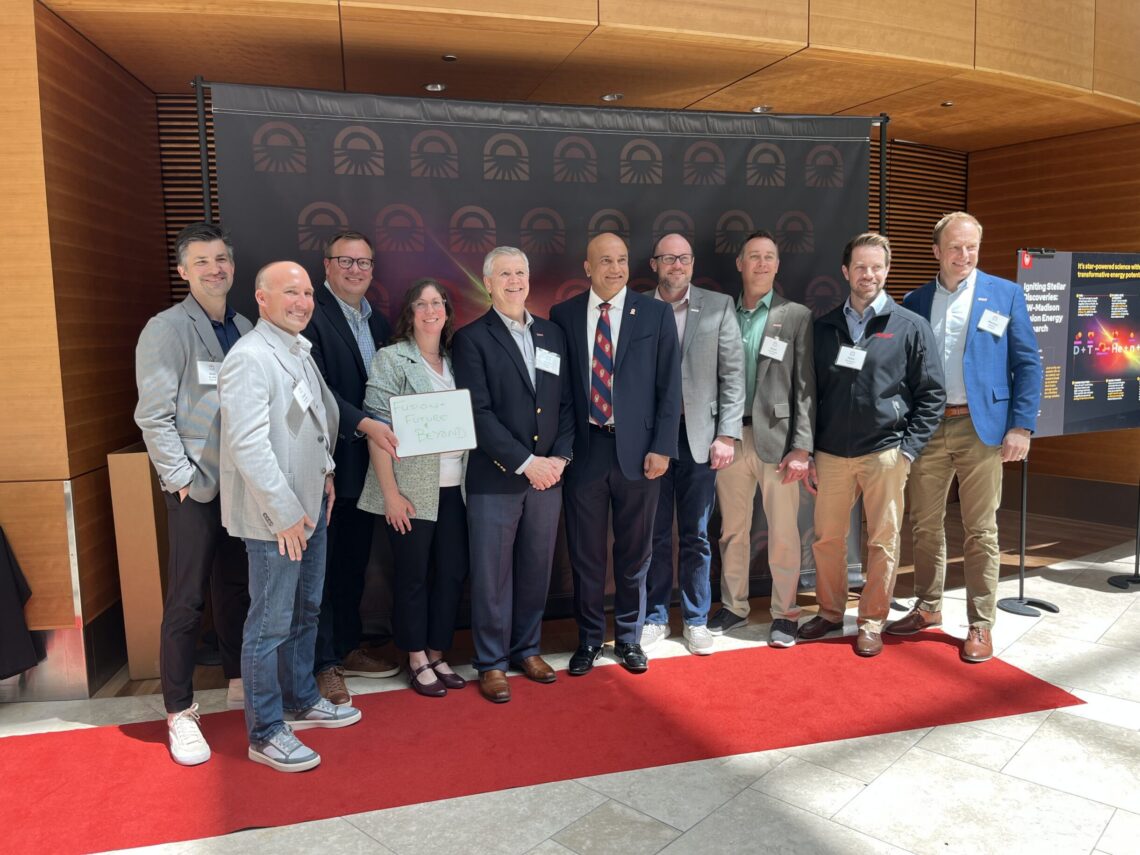
As part of Fusion Week 2026, the Findorff team (pictured here with UW–Madison College of Engineering Dean Devesh Ranjan, center) attended the Great Lakes Fusion Energy Summit.
Hospital & Healthcare Construction
A typical healthcare clinic, such as an urgent care or family practice, has select hours of availability. Hospitals and ERs run 24/7 and need supports in place to keep operating. Building these mission critical facilities requires incorporating backup generators and power supplies into the design, so that if a storm or flooding wipes out power, operating rooms, ICUs, and emergency services can continue to provide life-saving care.
Hospitals also have their own data centers to store patient information. Redundancies in energy supply are factored into construction to keep that data protected and maintained in case of a breach.
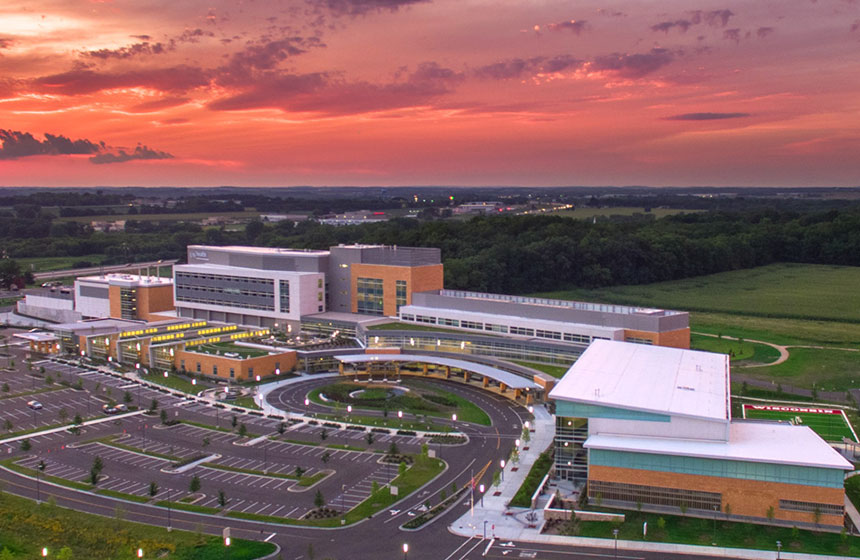
Findorff built UW Health East Madison Hospital, which consists of an emergency department, hospital, cardiology clinic, and more.
Government & Military Construction
From air force bases to prisons and fire stations, mission critical facilities within the government and military contain highly elevated security measures. Like hospitals, they need backup generators and other redundancies to uphold safety and security. Large amounts of space may be allotted for mechanical rooms, control centers, and more. Many of these facilities also require data center construction to store and safeguard important (and sometimes classified) information.
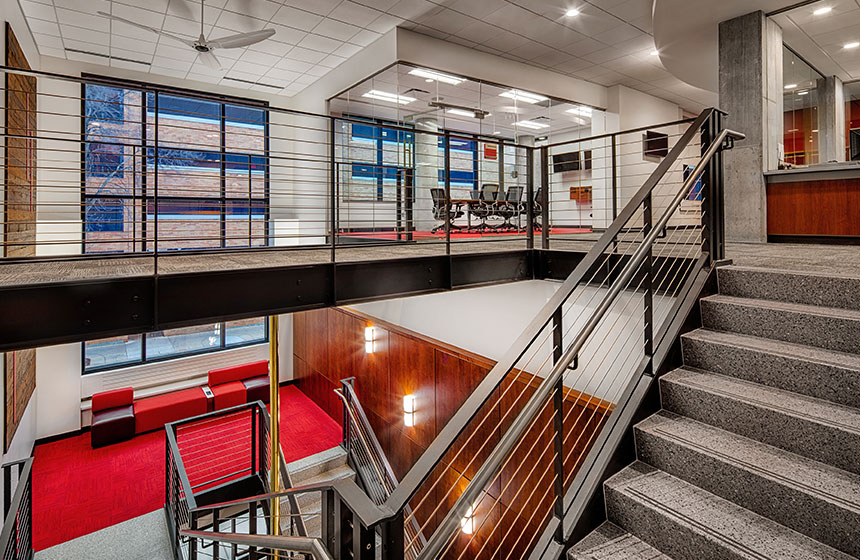
Renovated by Findorff, the Madison Fire Station #1 is the city’s largest and busiest firehouse.
Mission critical facilities range in size and function, but all have complexities, and all require a specialized construction firm to build them. Findorff’s mission critical team brings decades of experience to construction projects across government, healthcare, science & technology, data centers, and more. Connect with our team to see how we can support your project.
Sources
https://usfusionenergy.org/science-fusion
https://www.kuow.org/stories/everett-based-helion-breaks-ground-on-world-s-first-fusion-power-plant