
Wellness is a concept that’s fundamental to healthcare facilities. In some instances, it’s ingrained into the very fabric and foundation of the building itself.
SSM Health Sun Prairie Outpatient Center is a standout example of the intersection of sustainability, wellness, and construction, and was featured recently in a presentation at the annual Healthcare Design Conference & Expo. Findorff Sustainability Manager Ben Austin joined project partners from SSM Health Sun Prairie Outpatient Center, Kahler Slater, and IMEG to present “A Collaborative Approach to Sustainable Design.”
The session highlighted how a shared commitment to sustainability helped the team deliver the new outpatient center, as well as the benefits that come from investing in wellness and thinking holistically about how a building can serve its occupants. Achieving ambitious sustainability goals requires more than innovative technology, but rather a collaborative team aligned around a common vision from the very beginning.
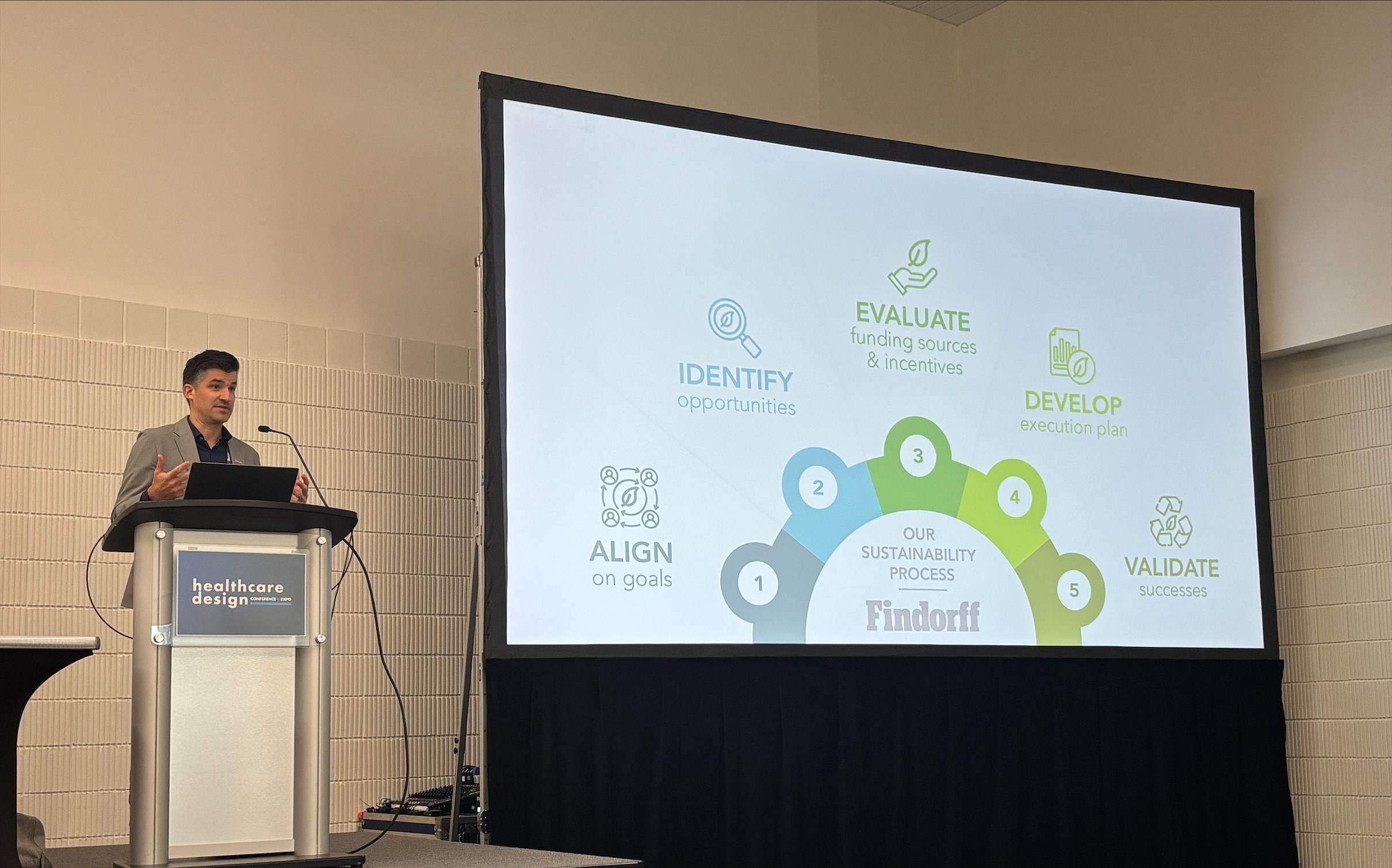
Sustainability Manager Ben Austin presenting at the national Healthcare Design Conference & Expo.
A unique approach to wellness
The over 90,000-square-foot SSM Health Sun Prairie Outpatient Center includes eye care and outpatient surgical services with an ambulatory surgery center, eye clinic, pharmacy, optical laboratory, and retail optical services. But wellness is incorporated in ways far surpassing the building’s important function.
Throughout the design and construction process, the project team prioritized a number of wellness and sustainable strategies, including:
- Carbon reduction
- 1,900 solar panels covering the parking lot
- Democratizing daylight (providing natural light opportunities for all employees, not just in executive offices or certain parts of the building)
- Recycling and waste diversion; use of reclaimed materials
- Tree preservation and land restoration
- Community engagement, such as through a tree planting initiative
SSM Health Sun Prairie Outpatient Center was designed and built to achieve WELL Platinum, a unique certification that focuses on well-being and wellness of a building’s occupants. Achieving WELL certification is rare: there are currently four WELL-certified buildings in Wisconsin, none of which are Platinum. Unlike LEED certification, which remains with a building through its life, owners must reapply for WELL certification every three years to maintain their status.
Findorff played a key role in tracking sustainability metrics, coordinating WELL requirements, and ensuring the infrastructure necessary to support the facility’s renewable energy systems was successfully integrated into the project.
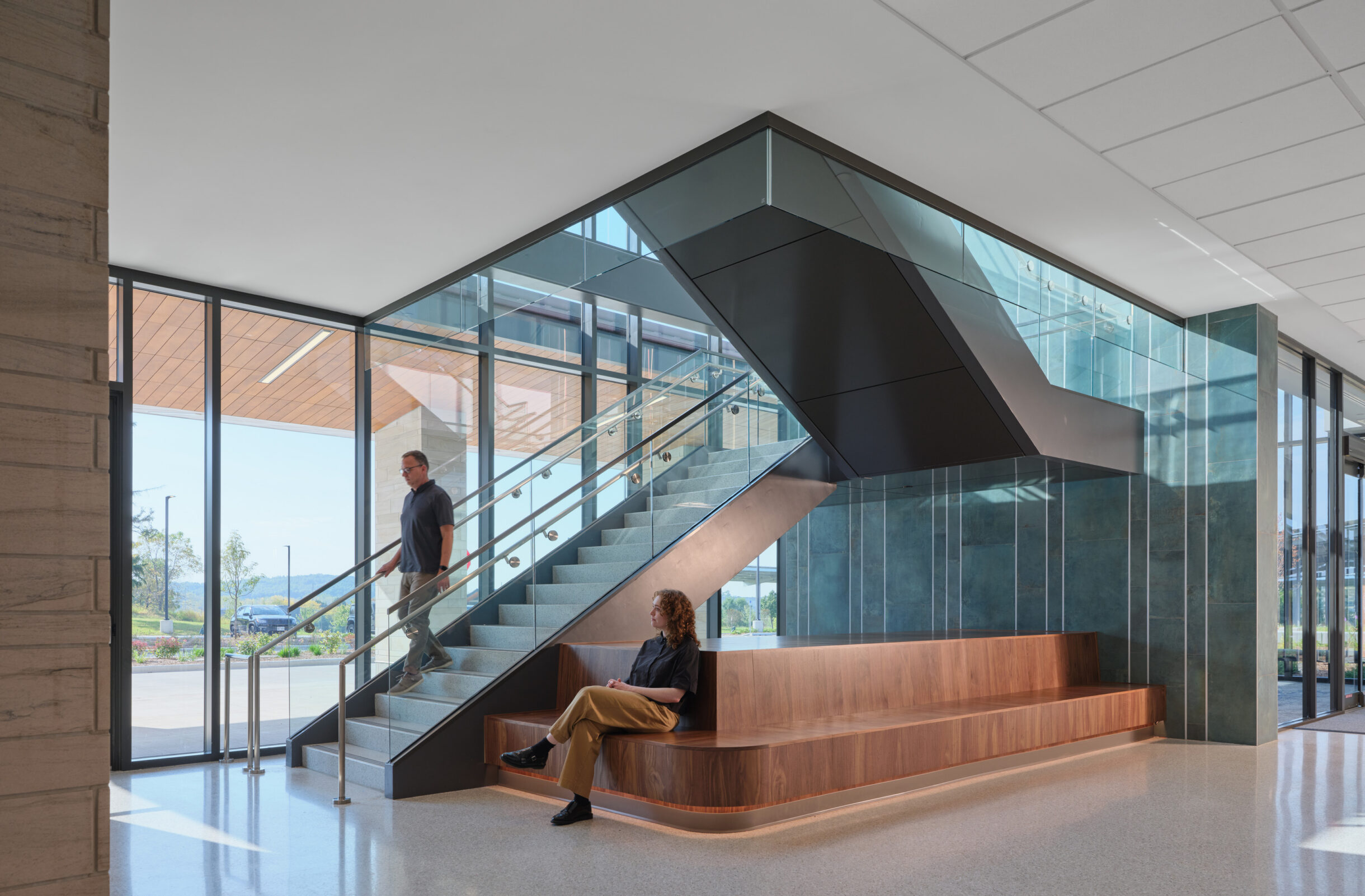
A custom lobby bench was crafted from repurposed wood, sourced from trees that had previously been on-site.
The Sun Prairie project expands on SSM Health’s growing leadership in healthy buildings. Its South Madison Campus became Wisconsin’s first WELL-certified healthcare project and the largest WELL-certified healthcare facility in the United States, while SSM Health was recognized with the International WELL Building Institute’s Rising Star Award for its commitment to advancing WELL at scale.
These efforts reflect the project’s broader commitment to environmental stewardship and creating meaningful connections between the building, its surroundings, and those engaging with the space. Incorporating sustainability into construction can create a lasting impact, and for healthcare facilities, it can promote wellness in an entirely new way.
Images © Tom Harris
Organizations advancing deep tech innovations, such as radiopharmaceutical production, fusion energy, advanced nuclear applications, and other emerging technologies, face unique challenges as they move from innovation to operation. These projects often involve specialized equipment, complex regulatory requirements, accelerated schedules, and significant capital investments.
To support clients navigating these complexities, Findorff provides strategic advisory services to help:
- Define the business need by aligning growth, capacity, and goals.
- Assess risks early including procurement, equipment delivery, startup, and operations.
- Determine the project roadmap by identifying key components, milestones, stakeholders, and aligning decisions to business objectives.
- Integrate facilities and operations through equipment, commissioning, qualification, and operational readiness.
Rather than focusing solely on design and construction milestones, our Strategic Advisors work as an extension of the owner’s team to help bridge the gaps between project planning, operational success, and future growth.
As Findorff’s newest Strategic Advisor, Jessica Giffey helps lead and strengthen this work.
Jessica has 15 years of experience designing, leading, and operationalizing advanced technical facilities, including particle accelerator manufacturing, radioisotope production, and neutron imaging environments. In her new role, she brings practical insight into early planning discussions and helps translate operational requirements into informed facility decisions. Her experience helps clients evaluate risks and opportunities and plan for growth as technologies evolve.
Learn more about our science & technology and industrial & advanced manufacturing expertise.
Findorff’s virtual design and construction (VDC) team recently took the stage at the Commercial UAV Expo in Las Vegas. Carter Mahnke and Chris Gibbs presented “Aerial Accuracy: Concrete & Façade Analysis,” sharing how Findorff uses drone technology to support deck pour and façade analysis. The presentation brought together to learn about using accurate visual information to strengthen how project teams plan, communicate, and build.
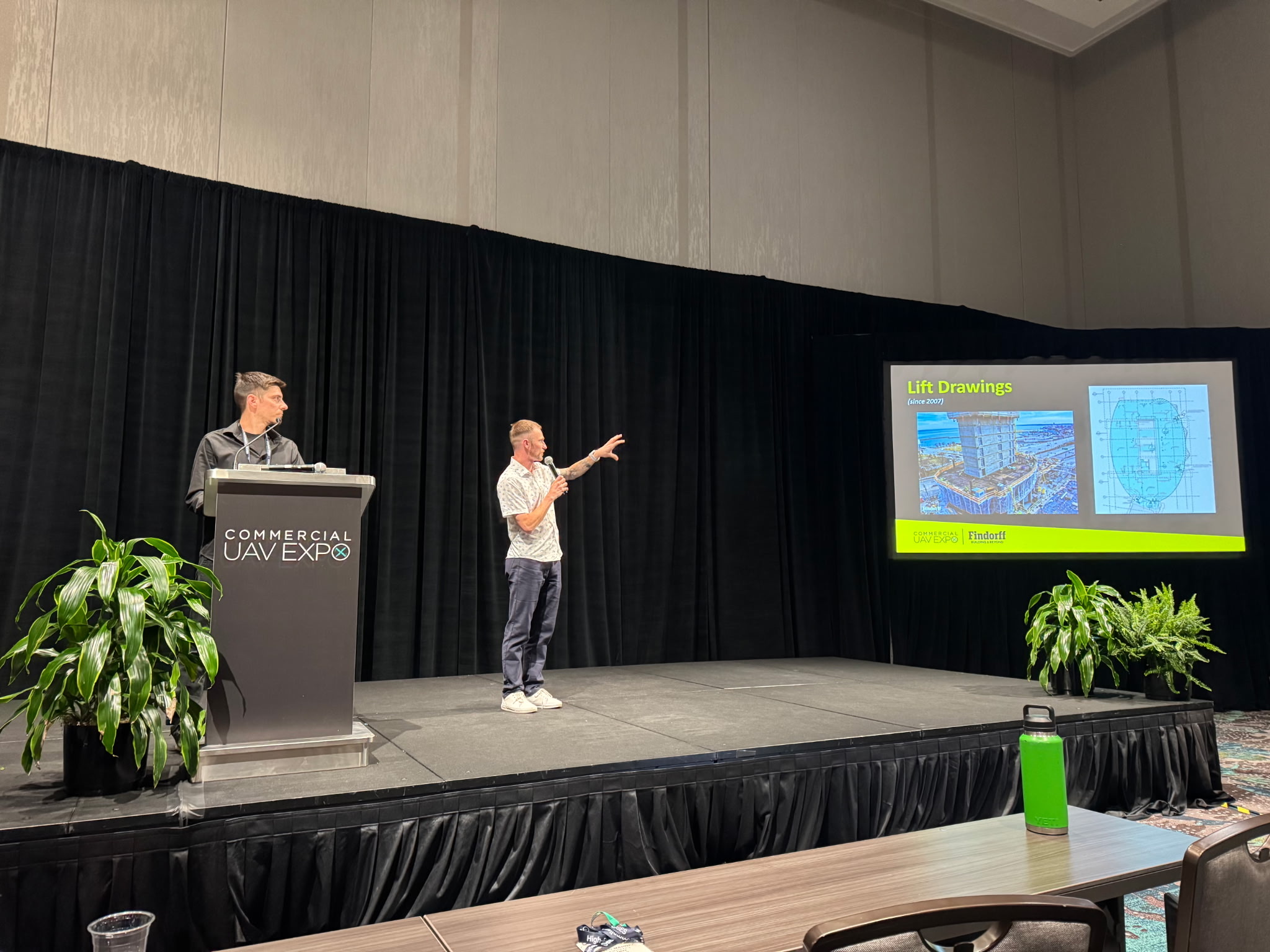
Chris Gibbs (left) and Carter Mahnke (right) presenting at the Commercial UAV Expo.
VDC can add value well before work starts in the field. Findorff’s capabilities include coordination lift drawings, laser scanning, and drone overlays, which can help teams compare conditions with project information and identify items that need attention. In the case studies presented at the conference, aerial data supported vapor barrier checks, window alignment, façade review, slab edge, embeds, and sleeve locations. Across all types of projects, VDC provides vital information that can positively impact:
- Communication
- Cost savings
- Documentation
- Safety
- Schedule
- Quality
- And more
Technology has drastically evolved construction and provides immense value — both for the people building the work as well as owners. VDC provides accuracy and insights that can ultimately save time and money throughout the course of a project. In the video below, voices from the field share their perspective on how aerial information supports construction teams. Their insights demonstrate how innovation and field experience can work together to create clearer information and better-informed project conversations.
See how Findorff’s VDC team is using drone technology, laser scanning, and visual overlays to bring greater clarity to construction.
Preparation is an underlying, constant theme in the school world. Educators prepare students for the upcoming quiz, the state test, the next grade, and beyond. Leaders prepare educators for changes in the school building. And when new technologies and new trends emerge, districts flow these things into an existing question: How do we continue to prepare students for the future?
AI is rapidly advancing and shaping not only our day-to-day lives, but entirely new jobs. It’s coming into conversations about career readiness and understanding what skills the next generation needs to hone and develop. Districts are often considering and implementing brand new AI policies while simultaneously continuing to assess how to best set students up for success.
These are big topics for a sole superintendent or district leader to work through, let alone “solve.” But coming together, joining other leaders who are facing the same questions and uncertainties, and witnessing innovation firsthand can help make the future of AI feel more tangible and clear.
Facility Field Trip to Morgridge Hall
On September 23, district leaders across Wisconsin joined the Findorff Facility Field Trip as part of the 2026 Wisconsin Association of School District Administrators (WASDA) Fall Conference. The field trip toured Morgridge Hall, home to the University of Wisconsin–Madison’s brand-new College of Computing & Artificial Intelligence (CAI).
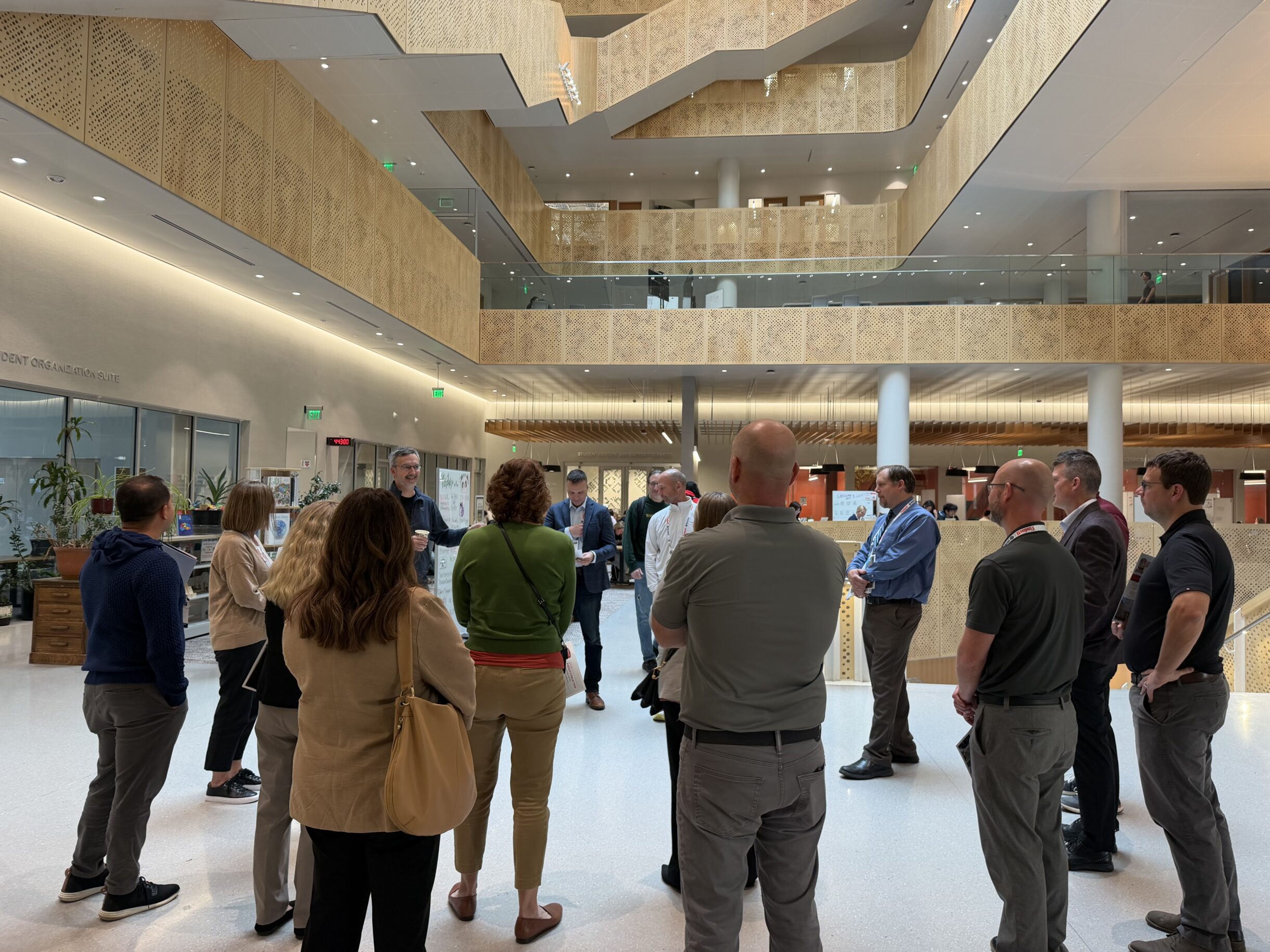
Attendees listen to Dean Remzi Arpaci-Dusseau.
Guests learned about CAI’s mission and creation, as well as heard insights on AI in education and emerging trends. The tour offered a behind-the-scenes look at spaces that are designed to encourage collaboration, innovation, and new discoveries, and great discussion ensued with CAI Dean Remzi Arpaci-Dusseau.
In talking about preparing students for higher education and the impacts of AI on learning, Arpaci-Dusseau shared that students still need to be curious and willing to struggle to solve problems, and they shouldn’t rely on technology to answer all their questions. Arpaci-Dusseau also reinforced that educators can learn from students, and that he consistently learns from his own.
When asked what K-12 schools should be teaching students to succeed with AI and computing, Arpaci-Dusseau’s answer was straightforward: the fundamentals. Reading and writing are so critical to a student’s success, regardless of what the computing needs may be.
About Morgridge Hall
Morgridge Hall is a 343,000-square-foot, seven-story facility that is dedicated to computing and AI. With more than 1,000 classroom seats, 300+ offices, flexible learning spaces, and tech labs, Morgridge Hall is a hub for research, learning, and collaboration. But the facility is not just unique for housing a one-of-a-kind, tech-centric college. “This building is the most sustainable academic building on campus,” says Cindy Torstveit, Associate Vice Chancellor of Facilities Planning & Management at UW–Madison.
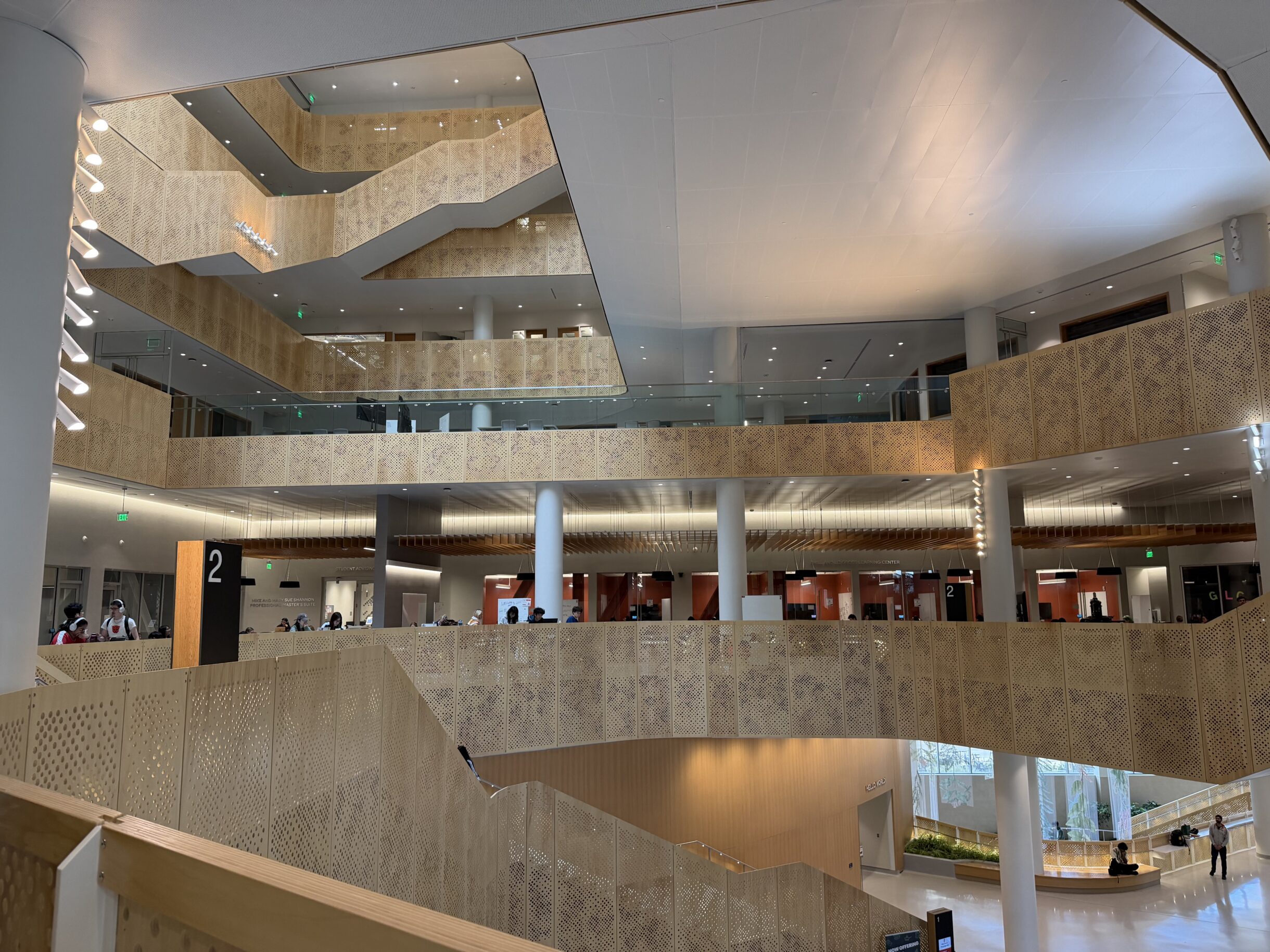
Morgridge Hall achieved LEED v4 Platinum in 2026, a testament to its sustainability.
This is intentional, as the very fiber of Morgridge Hall is rooted in innovation and serving future generations. Sustainability features of the building are as forward-thinking as the programs offered within its walls. A stormwater retention system for plant irrigation and toilet flushing plays a significant role in reducing about 30 percent of indoor water use. Intentional design with lighting reduces about 60 percent of energy consumption, and more than 300 solar panels help offset energy costs. Visitors often comment on how “green” the building is in a more literal sense: 25 percent of the site area is covered in plants, the majority of which are native to Wisconsin.
Earlier in 2026, Morgridge Hall received recognition for its sustainability, achieving LEED v4 Platinum certification — the highest LEED achievement possible. Morgridge Hall is a testament to not just preparing students (and the building itself) for the future but rather embracing it.
While questions about AI will inevitably remain, continuing conversations and exploring real-world applications helps district leaders — and all of us — prepare for the future and know what’s possible.
Learn more about Morgridge Hall and Findorff’s sustainability initiatives.
Hero image by Bruce Damonte
This article was originally published on August 4, 2026, and can be found on the ACHE-WI website here.
Healthcare is a tough business. Margins are tight, labor costs are high, reimbursement is uncertain, and competition for patients and providers remains intense.
Managing all these factors (and more!), many organizations delay infrastructure upgrades, maintenance projects, and smaller capital improvements — sometimes to manage short-term costs, and sometimes because larger facility projects may be on the horizon. While understandable, the cost of waiting often compounds quickly.
Strategic facility planning is about the patient, not the building.
Deferring small facility investments today frequently leads to larger, more disruptive, and more expensive failures tomorrow. Even if a “bigger fix” seems just around the corner, the highly complex nature of healthcare spaces and the dramatic impact of down time in infrastructure makes reliability essential to patient care.
Aging HVAC systems can compromise infection prevention and environmental controls. Electrical failures can disrupt critical equipment and operations. Plumbing issues, water intrusion, or failing life safety systems create risks for patients — as well as for staff and visitors.
Unlike other industries, facility failures in healthcare can immediately affect care delivery. Procedures may be delayed, patient rooms closed, or departments temporarily disrupted. With rigorous regulatory expectations around life safety, ventilation, emergency preparedness, and environmental conditions, the facilities themselves truly are direct patient care concerns. Effective planning leads to crisis avoidance and avoids crisis management!
It’s about provider retention, not the building.
Healthcare organizations are competing aggressively for physicians, nurses, and clinical staff. The physical environment increasingly influences where providers choose to work — and whether they stay.
Recurring maintenance problems, outdated clinical spaces, unreliable temperature control, and operational disruptions create frustration for already strained care teams. Providers want environments where they can deliver care efficiently and confidently. Modern, reliable facilities support morale, workflow, and retention.
In today’s labor market, the condition of the physical environment has become part of the workplace value proposition. And as providers are learning more innovative and advanced ways to deliver care, they – and their patients – need facilities that can keep up.
It’s about best ROI on any building investment.
Deferred maintenance rarely saves money long term. Small issues become larger capital problems. Emergency repairs cost more than planned replacements. Operational disruptions reduce throughput, interrupt revenue, and create unbudgeted expenses.
Healthcare organizations also face indirect costs:
- Lost revenue from disrupted operations
- Increased energy and maintenance costs
- Compliance-related remediation
- Higher operational risk
- Damage to patient confidence and reputation
The question is not whether organizations should invest in short-term needs or long-term initiatives. Healthcare systems need both, and strategic guidance is essential to balancing immediate operational priorities with long-term capital planning.
It’s about strategic facility advice, not just the construction.
Most healthcare leaders already know their buildings have vulnerabilities. The challenge is determining what to prioritize, when to act, and how to align limited capital with operational risk. These decisions also should be considered against long-term campus and facility-wide maintenance and replacement plans.
Strategic facility guidance helps organizations move from reactive decision-making to proactive planning. The key is relationship-based connection and discussion that provides objective facility assessments, capital planning guidance, and risk-based prioritization that help leadership teams make smarter long-term decisions.
In today’s healthcare environment, facility strategy is inseparable from organizational strategy. Organizations that proactively address infrastructure challenges position themselves to operate more safely, efficiently, and competitively. Strategic planning conversations today can help avoid costly disruptions tomorrow.
Our healthcare team has the expert guidance needed to strategically plan for the future. Connect with us if you have any questions — we are passionate about helping healthcare leaders align their mission with their facilities and setting patients and staff up for success.
From conferences to leadership announcements, spring has been an exciting time for Findorff’s food and beverage team! Here’s a recap of what we’ve been up to during the past few months.
Sharing Our Leadership
While Findorff has built in the food and beverage industry for more than 50 years, our team continues to grow and match the evolving industry. We shared a blog post in April to formally introduce our food and beverage leaders. Alex Johnson, Food & Beverage Group Lead; Brad Olson, Director of Project Management; and Joe Schuchardt, Vice President – Wausau continue to spearhead exciting developments for our food and beverage projects.
CheeseExpo and Cheese Market News
Findorff attended the annual CheeseExpo in Milwaukee, which is hosted by the Wisconsin Cheese Makers Association. The team had a great time connecting with industry partners and gaining further insights on the latest in cheese production, manufacturing, and how this relates to facility construction.
We were additionally featured in a recent issue of Cheese Market News, where we share some of our food and beverage experience and continued commitment to fulfilling client visions. Check out the article here.
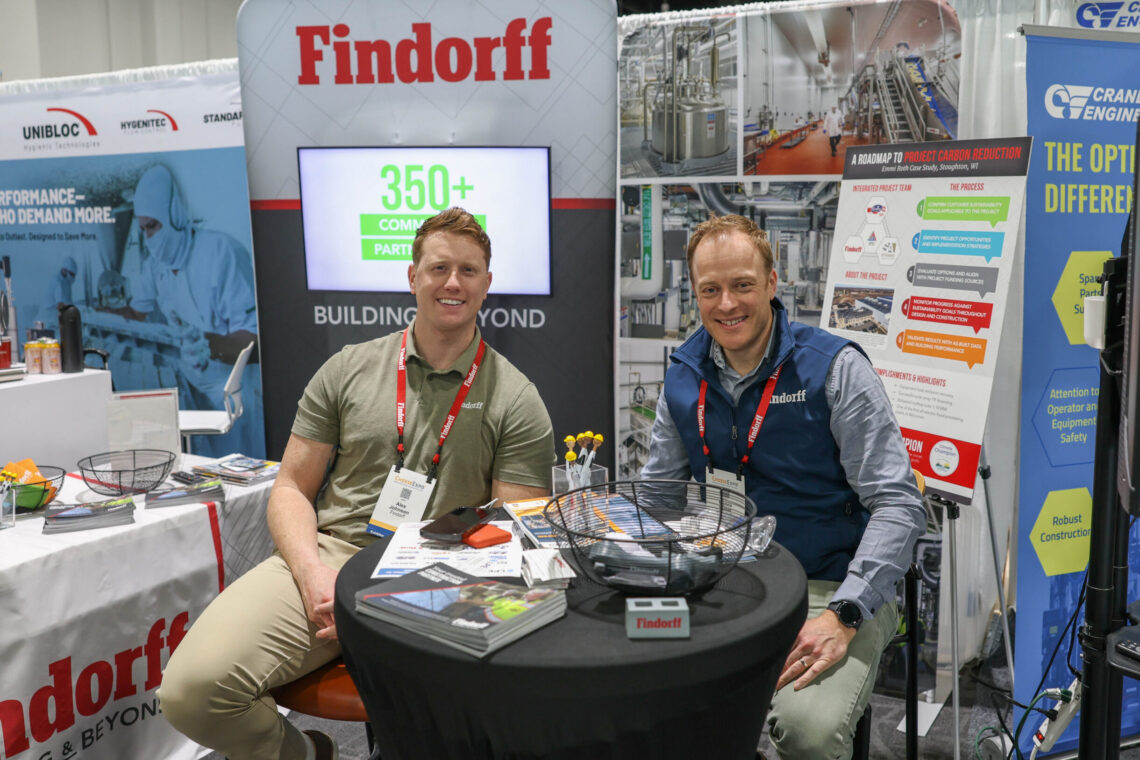
Alex Johnson, Food & Beverage Group Lead, and Menno Huiser, Senior Project Manager, at Findorff’s booth during Cheese Expo.
FaB Wisconsin
The first-ever Food and Beverage (FaB) Wisconsin Member Conference took place at the end of May in Waukesha. In addition to breakout sessions, a dynamic panel shared insights on today’s food and beverage landscape. Findorff was honored to be a sponsor of the event, and Alex Johnson, who is also on the FaB Leadership Council, provided opening remarks to kick off the day.
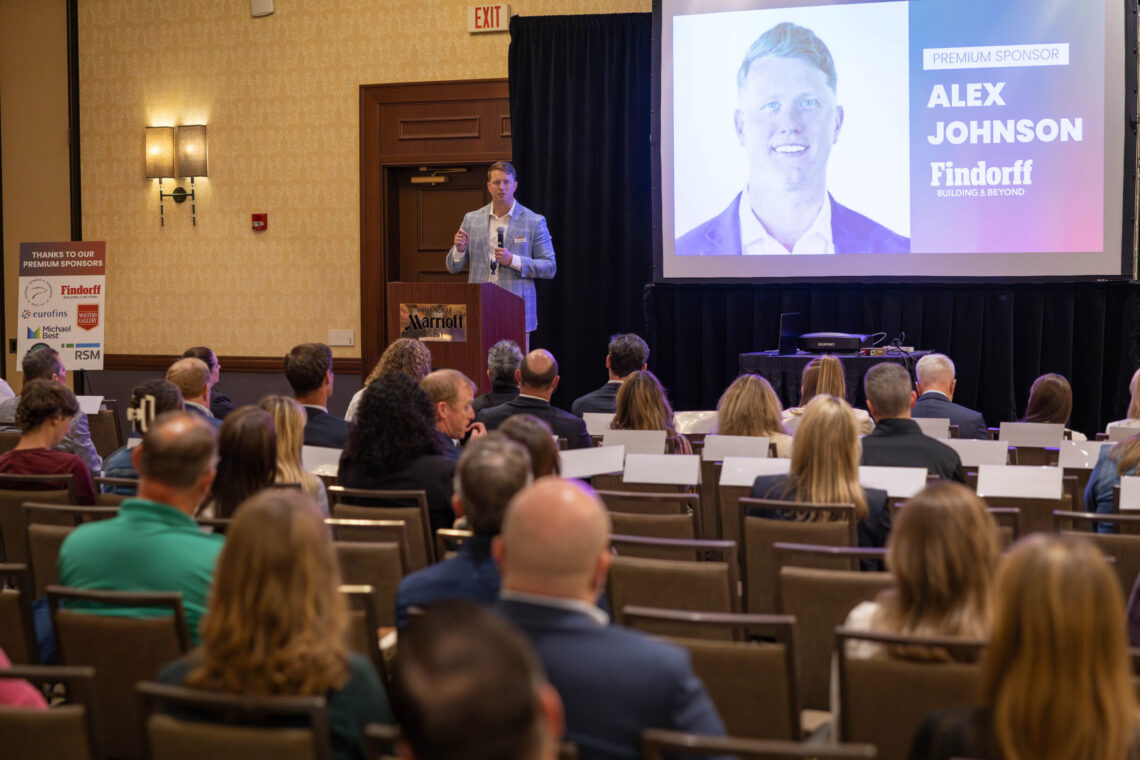
Alex Johnson delivers opening remarks at the FaB Wisconsin Member Conference.
Food and beverage plays an instrumental role in Wisconsin’s economy and culture, and we are passionate about delivering best-in-class construction services that support an ever-growing industry. From additions to build-outs, renovations to new construction and more, we are happy to answer any questions and provide solutions for your next project. Connect with our team to learn more.
If you have visited a hospital or emergency room, served in the military, or even simply used a smartphone, you have interacted with a mission critical facility. “Mission critical” is a widely unknown term, despite the essential role they play in our overall infrastructure.
Findorff is a builder of mission critical facilities, and we know firsthand some of the intricacies and specialized tactics that go into constructing them. By gaining a greater understanding of mission critical work, we as a society can continue developing facilities that enhance our infrastructure and day-to-day life.
In This Article
- What Is Mission Critical Construction?
- Data Center Construction
- Solar Fields & Power Plants
- Nuclear Fusion Construction
- Hospital & Healthcare Construction
- Military & Government Construction
What Is Mission Critical Construction?
Mission critical construction is the process of building facilities that operate all the time, with no interruption. Unlike an office building where people go home at the end of the day and the lights turn off, mission critical facilities run 24/7.
Some of the most common examples of mission critical facilities include:
- Technology infrastructure: Data centers, grid systems
- Energy plants: Natural gas plants, nuclear power plants, and solar fields
- Healthcare facilities: Hospitals and emergency rooms
- Government buildings: Military bases and prisons
If something disrupts the function or operations of these facilities, there can be significant consequences. Across mission critical facilities, this type of construction involves structural components that are unique and often complex.
Data Center Construction
Data centers have been around for many years, but the introduction of large-scale data centers has been more recent. As our reliance on cloud-based technology has steadily increased, so does the need for data centers, which are essential for storing and hosting that data.
Data center construction is unique in that it requires a lot of power, as well as cooling systems so that servers don’t overheat. These cooling systems rely on water — which has, at times, raised concerns about the strain placed on natural resources. However, technological advancements strive to minimize the environmental impact, such as through closed-loop systems.
Building a data center with a closed-loop system requires water at the beginning, but then reuses the majority of that water. Data center construction companies need to be well-versed in building not only technical spaces that support IT infrastructure, but also the cooling systems that prevent overheating.
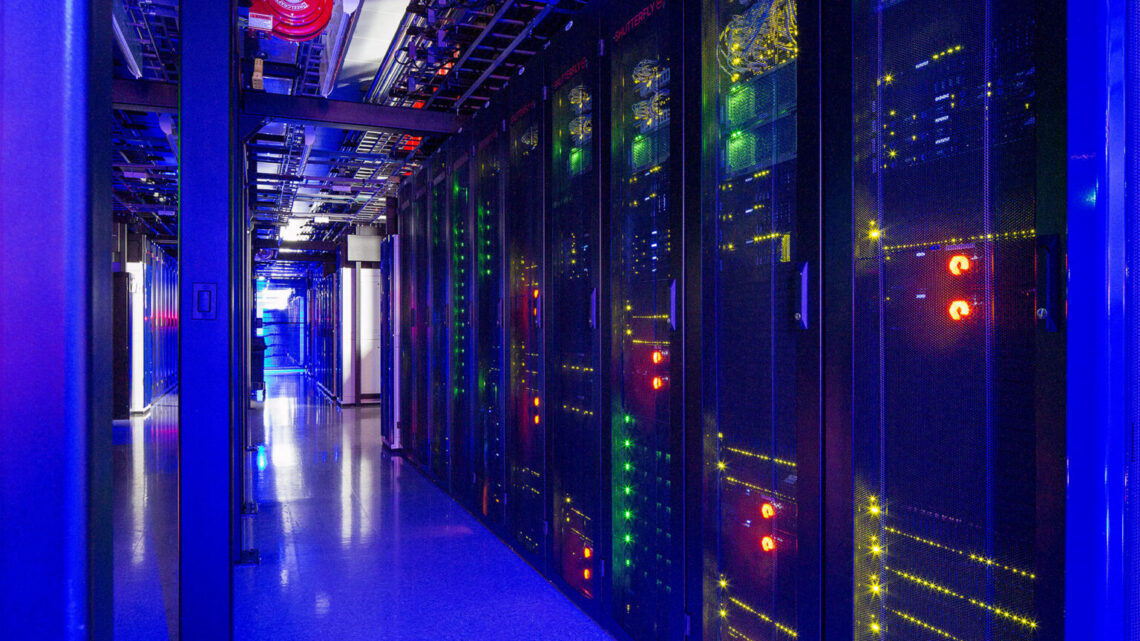
Findorff updated electrical power and cooling services for American Family Insurance’s national headquarters’ data center.
Solar Fields & Power Plants
Solar is a powerful source of renewable energy but, due to weather conditions and nighttime, sunlight is not consistent. Building a solar field or solar power plant involves more than installing panels — battery energy storage systems must be part of the blueprint to store excess electricity, as well as help distribute it.
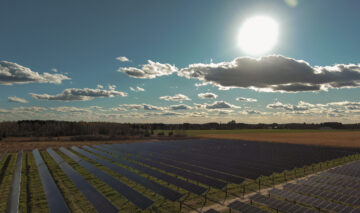
Findorff supported Westphal with the installation of supports and solar panels for a solar array in Antigo, WI.
Read the Findorff Sustainability Report
Fusion Construction
Fission power plants harness the energy of nuclear fission, which is the splitting of a particle to release energy. Nuclear fusion is the exact opposite: two hydrogen particles collide and create more energy as a result. The impact is promising — fusion can generate three to five times more energy than fission and is also more stable. But the types of facilities that can accommodate the fusion process are still in the works.
Constructing fusion plants is incredibly complex, as these mission critical facilities require massive amounts of heat and pressure — fusion on earth takes place at more than 100 million degrees Celsius, which is six times hotter than the core of the sun. Extremely potent magnets are part of the infrastructure to generate the necessary amount of pressure.
While fusion power plants are not available yet, they are on the horizon. The world’s first plant is under construction in Washington, aiming to begin producing energy in 2028. Wisconsin is primed to also become a leading state in fusion, with research driven by the University of Wisconsin-Madison and investment coming from supporters, corporations, and the government.
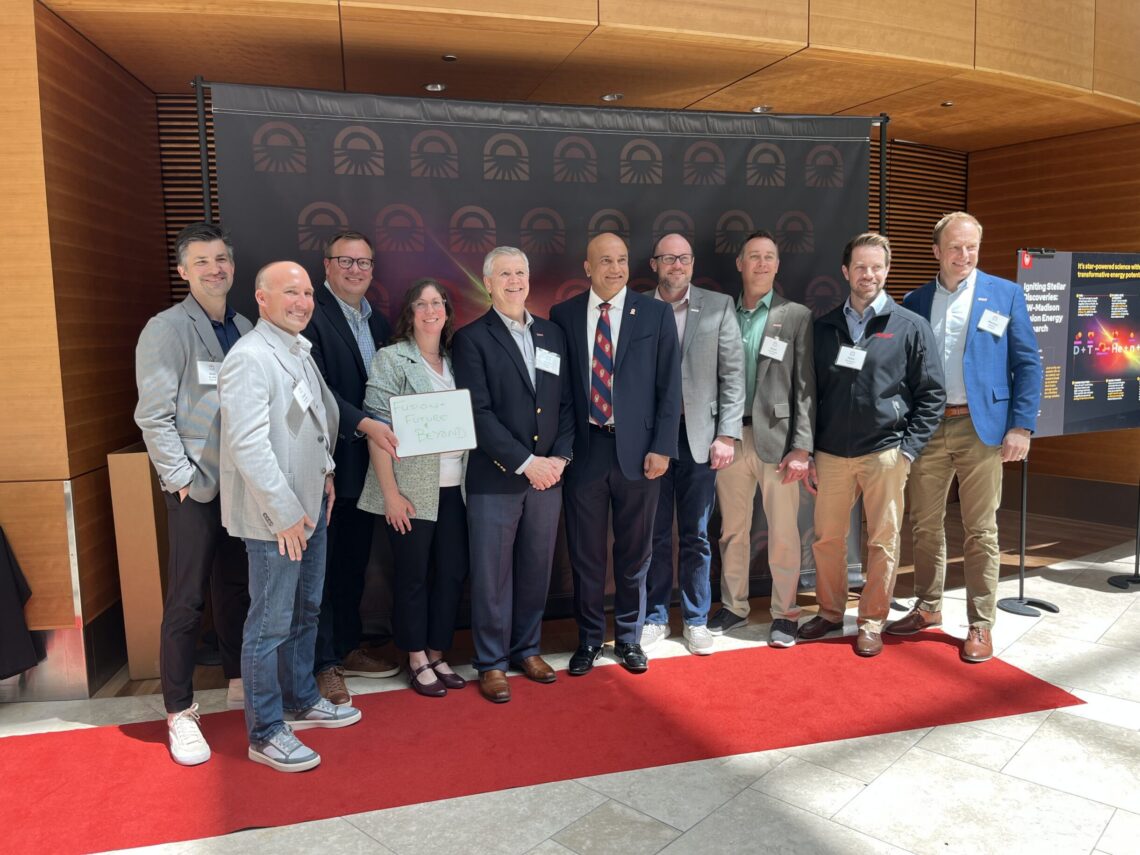
As part of Fusion Week 2026, the Findorff team (pictured here with UW–Madison College of Engineering Dean Devesh Ranjan, center) attended the Great Lakes Fusion Energy Summit.
Hospital & Healthcare Construction
A typical healthcare clinic, such as an urgent care or family practice, has select hours of availability. Hospitals and ERs run 24/7 and need supports in place to keep operating. Building these mission critical facilities requires incorporating backup generators and power supplies into the design, so that if a storm or flooding wipes out power, operating rooms, ICUs, and emergency services can continue to provide life-saving care.
Hospitals also have their own data centers to store patient information. Redundancies in energy supply are factored into construction to keep that data protected and maintained in case of a breach.
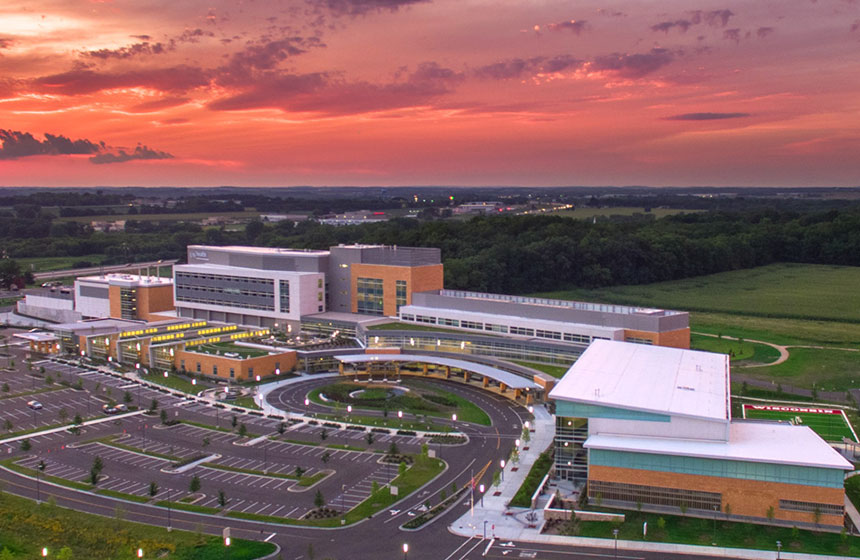
Findorff built UW Health East Madison Hospital, which consists of an emergency department, hospital, cardiology clinic, and more.
Government & Military Construction
From air force bases to prisons and fire stations, mission critical facilities within the government and military contain highly elevated security measures. Like hospitals, they need backup generators and other redundancies to uphold safety and security. Large amounts of space may be allotted for mechanical rooms, control centers, and more. Many of these facilities also require data center construction to store and safeguard important (and sometimes classified) information.
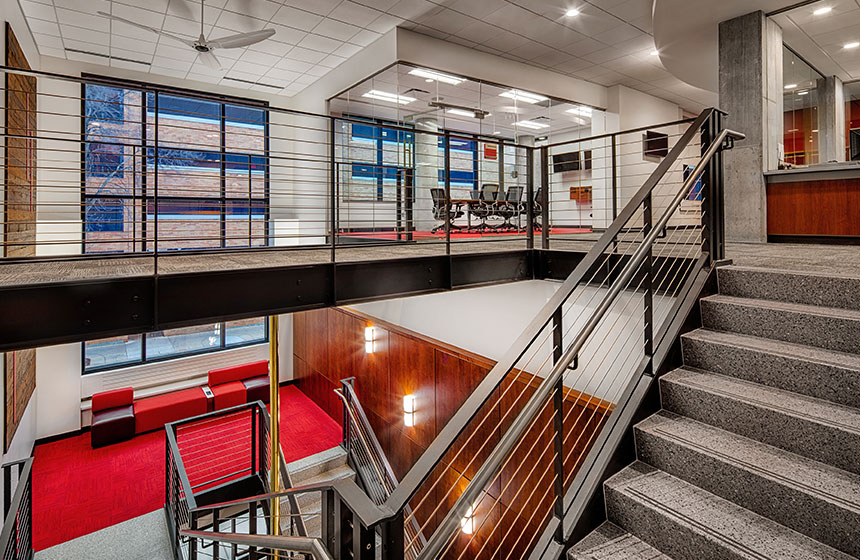
Renovated by Findorff, the Madison Fire Station #1 is the city’s largest and busiest firehouse.
Mission critical facilities range in size and function, but all have complexities, and all require a specialized construction firm to build them. Findorff’s mission critical team brings decades of experience to construction projects across government, healthcare, science & technology, data centers, and more. Connect with our team to see how we can support your project.
Sources
https://usfusionenergy.org/science-fusion
https://www.kuow.org/stories/everett-based-helion-breaks-ground-on-world-s-first-fusion-power-plant
Since 2020, Findorff has been recognized as Wisconsin’s Top Green Builder. We are honored to hold that title, ever motivated to find ways to reduce our carbon footprint — on our jobsites and beyond.
We provide sustainability services that empower our clients, so that they may make informed decisions that positively impact their buildings, both now and in the future. We enact initiatives that improve sustainability across our company operations, from net-zero energy solutions to electric vehicles and more. And we extend our commitment to sustainability throughout our community, sharing resources and dedicating time to organizations that strive to make our planet a better place for all.
On Earth Day and every day, Findorff cares about sustainability and doing what’s right. Check out our sustainability video to learn more.
Across Wisconsin and throughout the U.S., Findorff has more than 50 years of experience working on food and beverage manufacturing projects, ranging in size and complexity. From targeted improvements within active, occupied environments to large-scale production and processing facilities, Findorff’s dedicated food and beverage leadership team helps support the planning and execution of these projects throughout Wisconsin and the Midwest.
As the food and beverage industry evolves, Findorff continues to deliver on projects that balance speed to market with safety, quality, sanitation, and the regulatory demands of highly controlled environments. Projects often involve hygienic zoning, sanitary construction practices, controlled process flows, and coordination of integrated utilities.
Findorff’s experience spans a variety of facility types, including:
- Production and processing
- Cold storage
- Distribution and warehousing
- Conversion and packaging
- Agricultural-related facilities
- Bottling
- Food testing labs
- Wastewater
This work is supported by a dedicated team of professionals who collaborate with clients to navigate technical, operational, and regulatory considerations unique to food and beverage facilities.
Alex Johnson, Food & Beverage Group Lead
Alex brings nearly a decade of experience supporting more than $325 million in projects and over 1.3 million square feet of building space, including food service environments and food production kitchens. He works closely with clients and project partners to understand complex requirements and coordinate practical, effective solutions. Alex is an active member of FaB Wisconsin, serving as a sponsor and holding a seat on the organization’s Leadership Council.
Brad Olson, Director of Project Management
With 25 years of experience, Brad has led teams on more than $1 billion in construction projects. His background includes complex technical work, production and processing facilities, and cold storage environments, providing leadership across projects of varying scale.
Joe Schuchardt, Vice President – Wausau
Joe has more than 30 years of experience working on food and beverage projects, including notable work for Schoep’s, Nueske’s, and Top Tier Ingredients. His experience includes facilities with material receiving, wet and dry processing areas, and specialized fire protection and wastewater systems. Joe has also led multiple projects within occupied facilities for a global cheese producer and processor.
Chad Eschler will continue to serve as the Vice President – Business Development, supporting client relationships and strategic growth within the food and beverage industry.
Bob Hougard will continue in his role as Vice President – Science & Technology, providing specialized expertise in technically advanced and regulated facilities.
Visit our food and beverage page to learn more about our projects and expertise.
Sustainability has long been a part of Findorff’s work and vision. It’s reflected in the buildings we construct, our day-to-day operations, and our dedication to going beyond for our clients, people, and community. We are honored to have been recognized as Wisconsin’s Top Green Builder since 2020, and continue to maintain our legacy of delivering sustainable construction services throughout the state.
Part of maintaining this legacy includes looking back, reflecting upon our work and processes to not only identify our wins, but also our ways in which we can continue to grow. We compiled last year’s efforts into our first-ever Sustainability Report, which we are thrilled to share with you.
Take a look through the report to see how Findorff enacts sustainability across jobsites, within our company, and beyond.